Investor Categories
Oct 09, 2026
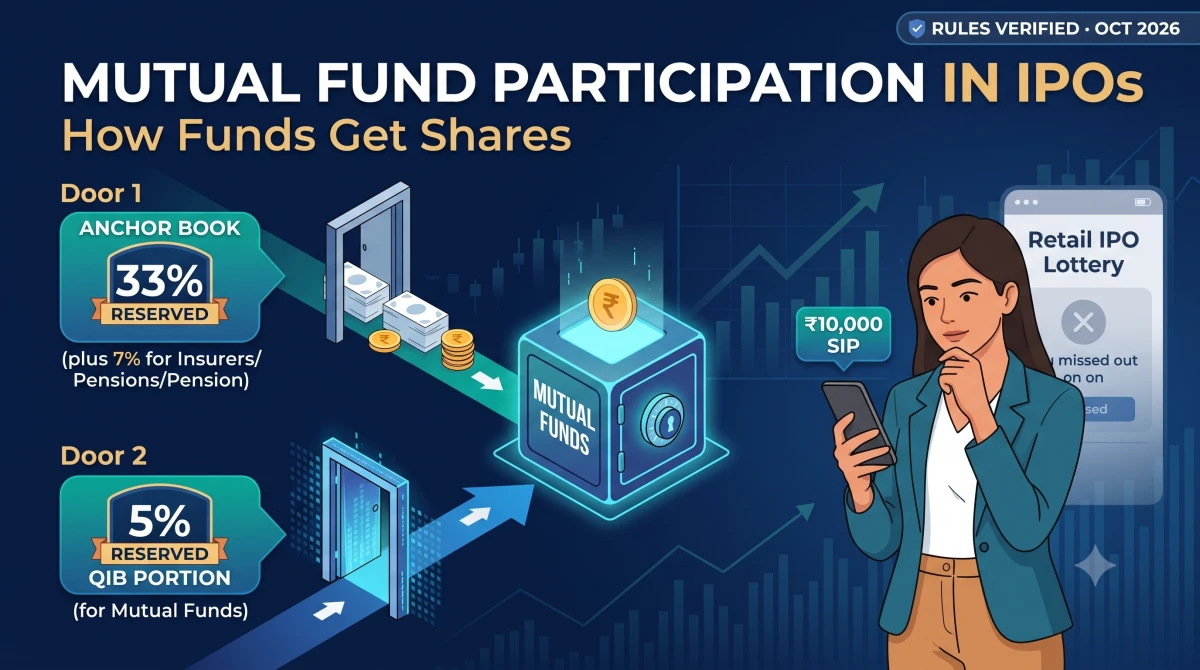
Mutual Fund Participation in IPOs: How Funds Get Shares
Mutual funds get a reserved third of the anchor book and a slice of the QIB quota in every mainboard IPO. Here is how they take part, how much they invest, and how it compares with applying directly.
M
Moksh Shah
Investor Categories
Oct 07, 2026
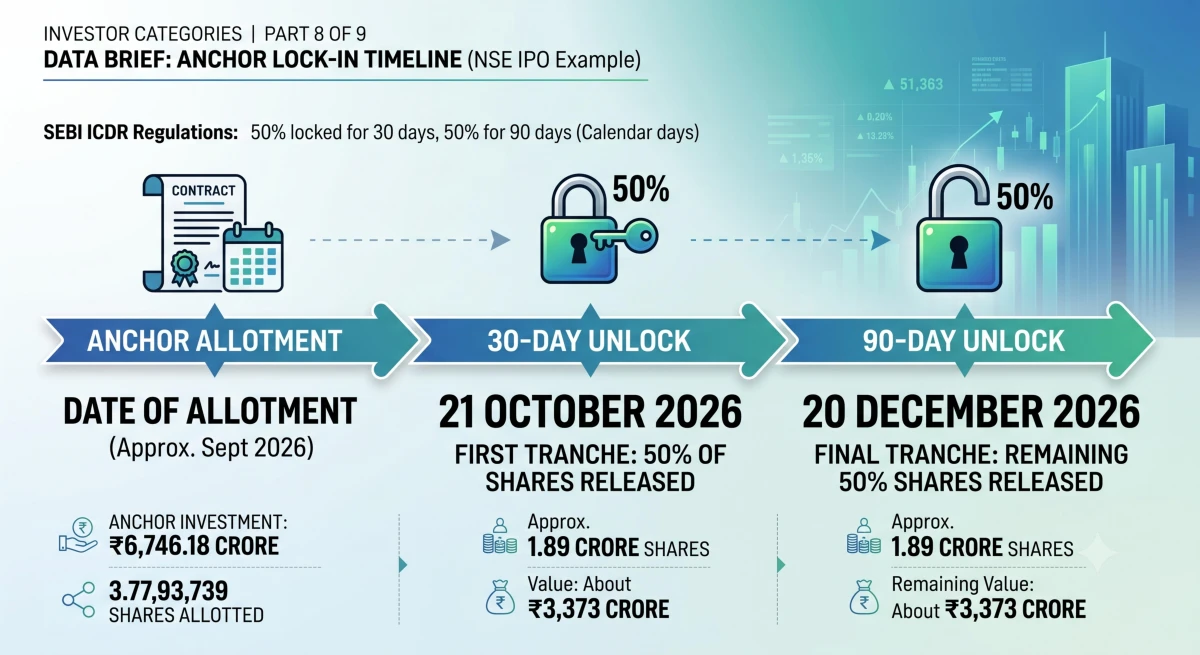
Anchor Investor Lock-in Period: What Happens When It Ends
Anchor investors cannot sell half their IPO shares for 30 days and the rest for 90. Here is how the two-stage lock-in works, what SEBI's data says about price falls on unlock day, and the NSE dates to watch.
M
Moksh Shah
Investor Categories
Sep 30, 2026
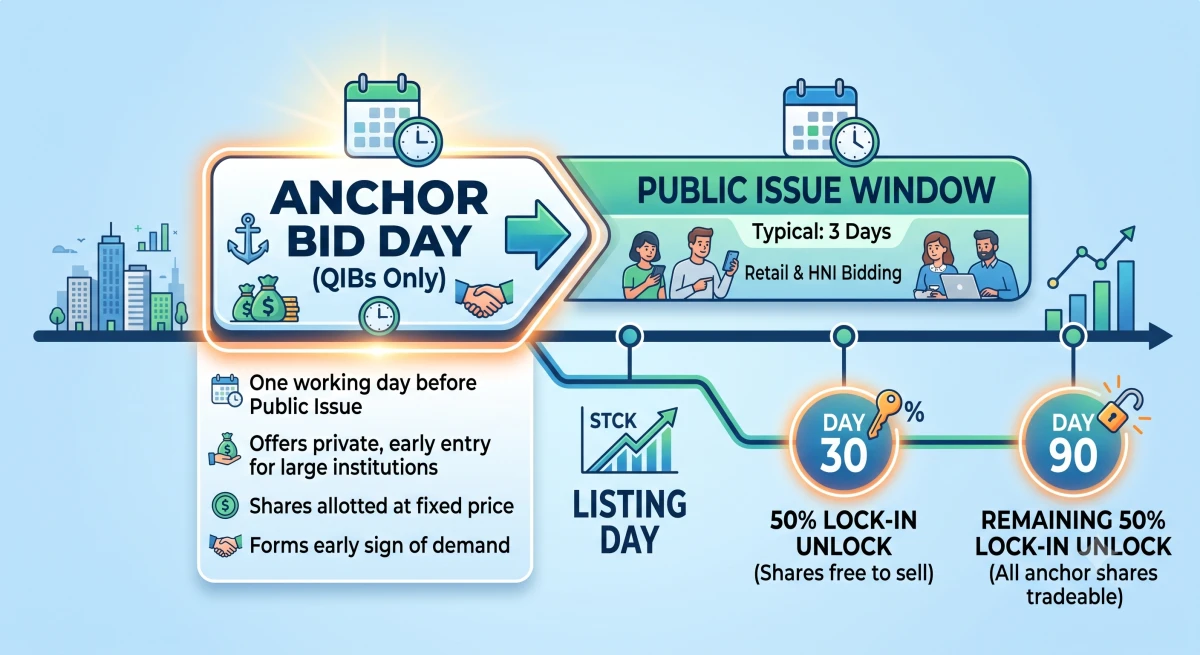
What is an Anchor Investor in IPO? Rules, Lock-in and What the Anchor Book Tells You
Anchor investors are large institutions that buy IPO shares a day before the public issue opens. Learn who qualifies, how SEBI's rules work and what an anchor book can and cannot tell you.
M
Moksh Shah
Investor Categories
Sep 30, 2026
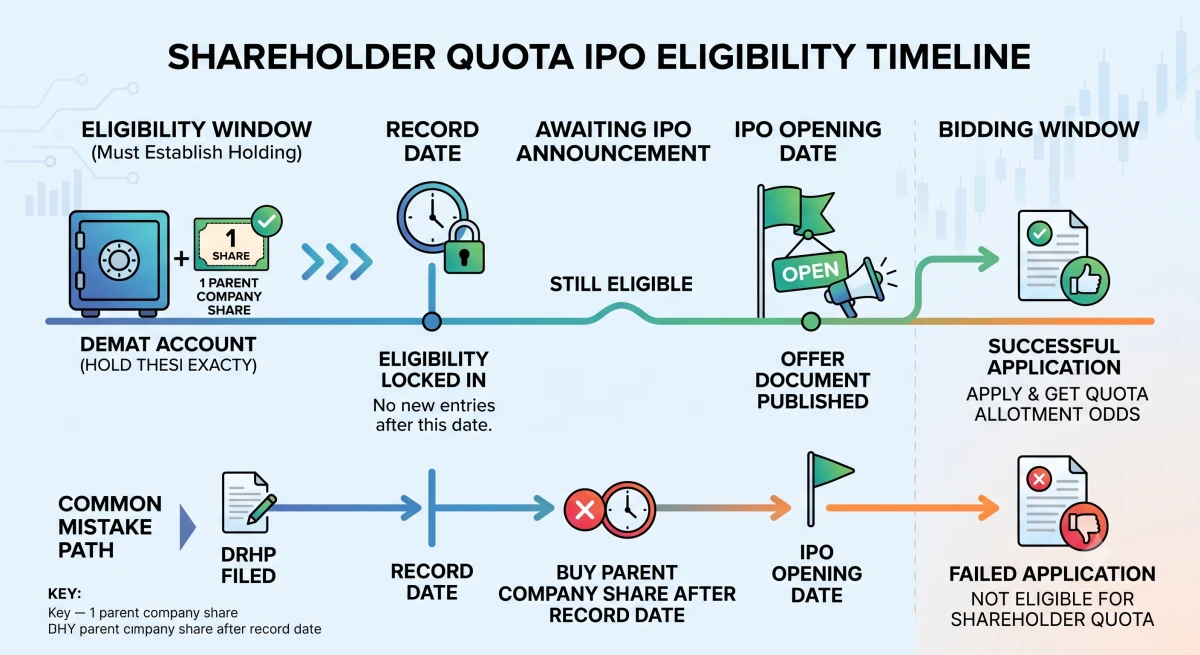
What is Shareholder Quota in IPO?
Shareholder quota reserves part of an IPO for existing shareholders of a listed parent company, based on holding shares before a fixed record date. Here's who qualifies and the mistakes that cost people their eligibility.
M
Moksh Shah
Investor Categories
Sep 28, 2026
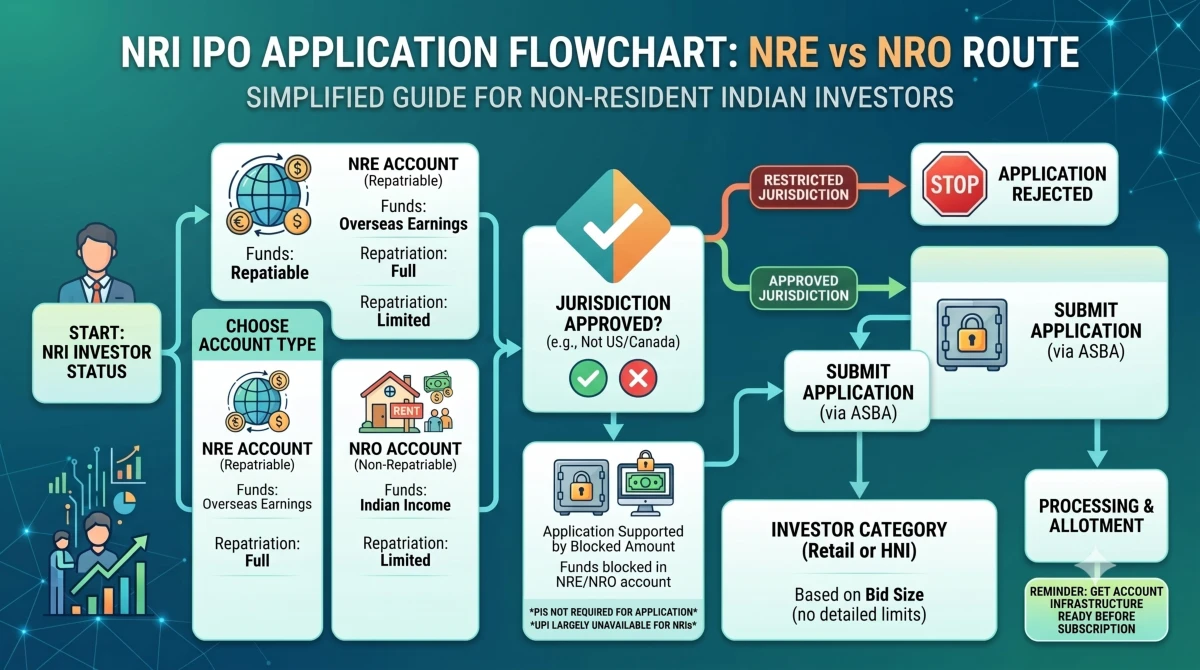
NRI IPO Investment: Rules, Restrictions, and How to Apply
NRIs can invest in Indian IPOs, but not as a separate SEBI category — it's a residency status layered on top of retail or HNI classification, with its own account rules and issuer-level restrictions. Here's the full gate-by-gate guide.
M
Moksh Shah