Moksh Shah
AuthorFinancial writer and analyst covering IPOs, Grey Market Premiums (GMP), and market insights on IPO360.
Articles by Moksh Shah
Latest market analyses, IPO reviews, and educational guides.
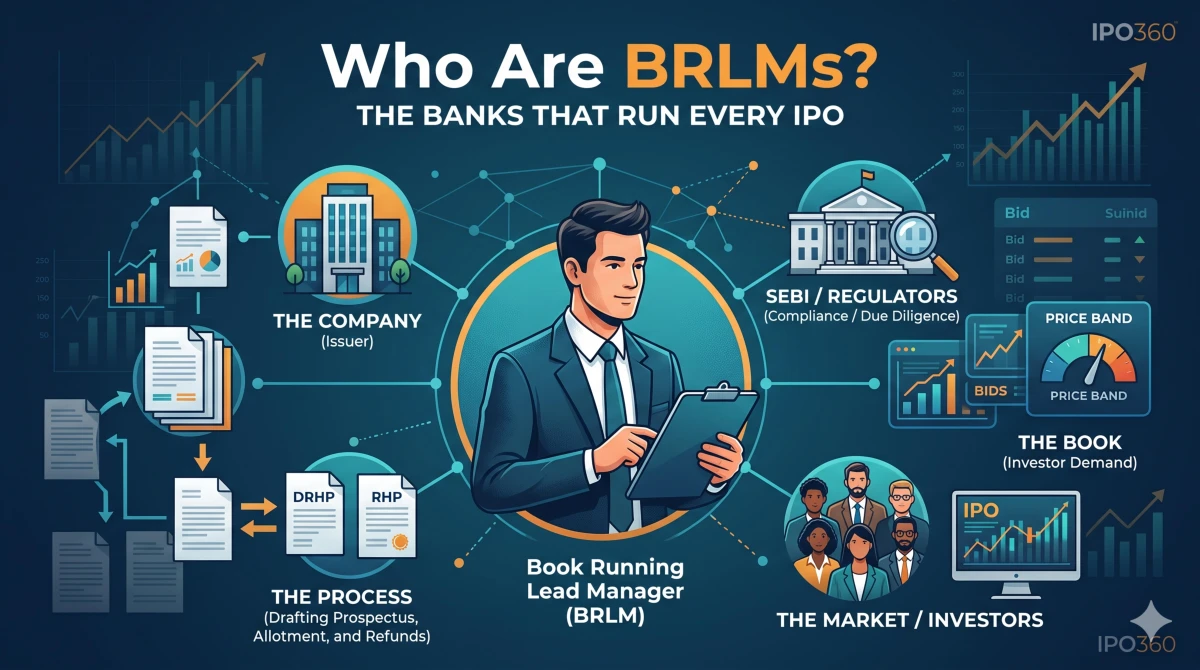
Who Are BRLMs? The Banks That Run Every IPO
Every IPO prospectus names a book running lead manager, but few investors know what that bank actually does. This guide explains BRLM duties, how to check their track record, and what a famous name can and cannot tell you.

P/E Ratio in IPO Analysis: How to Use It Before You Bid
The P/E ratio shows how much you pay for each rupee of a company's profit. Learn to calculate it for an IPO, compare it with peers, and spot where it misleads, using Hyundai, Tata Technologies and Ola Electric

IPO Valuation: How to Assess a Fair Price Before You Bid
A listed price is not a verdict on value. This guide shows how to test an IPO price against earnings, book value, peers and pre-IPO deals before you bid.
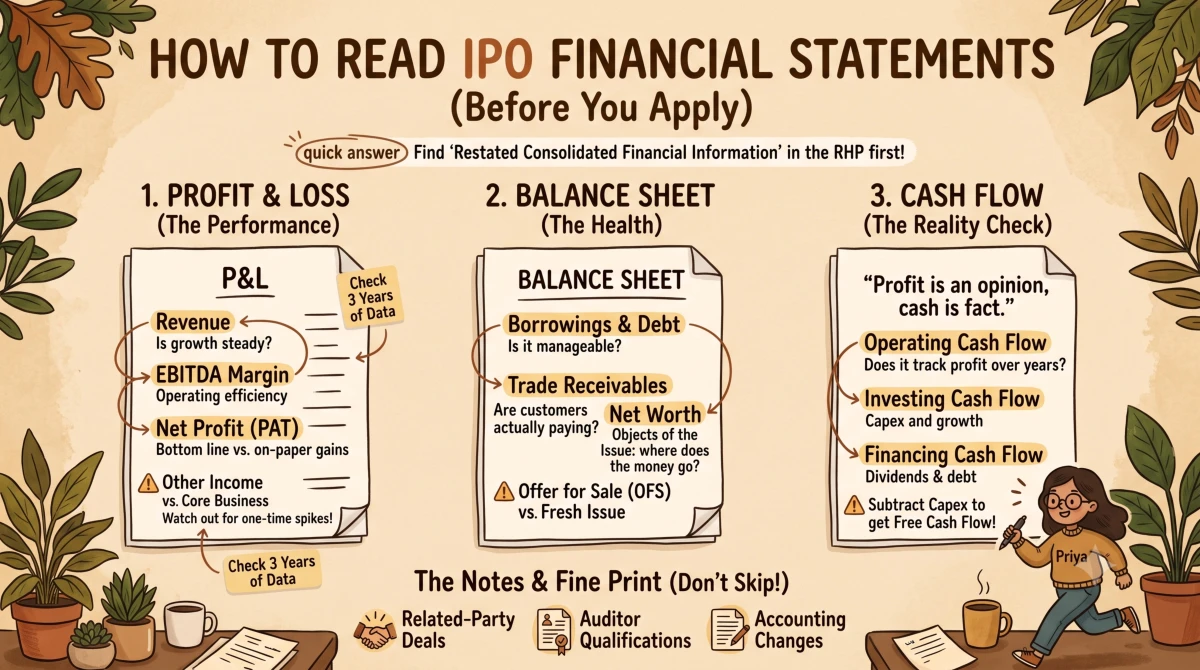
How to Read IPO Financial Statements Before You Apply
The RHP buries the numbers that matter among hundreds of pages. This guide shows retail investors how to read the restated P&L, balance sheet and cash flow, with Hyundai and Ola Electric as live examples.

How to Evaluate an IPO Before Applying
GMP and subscription numbers don't tell you whether a company is actually worth owning. This is the five-step checklist IPO360 uses to judge an IPO's fundamentals and valuation before the money leaves your account.
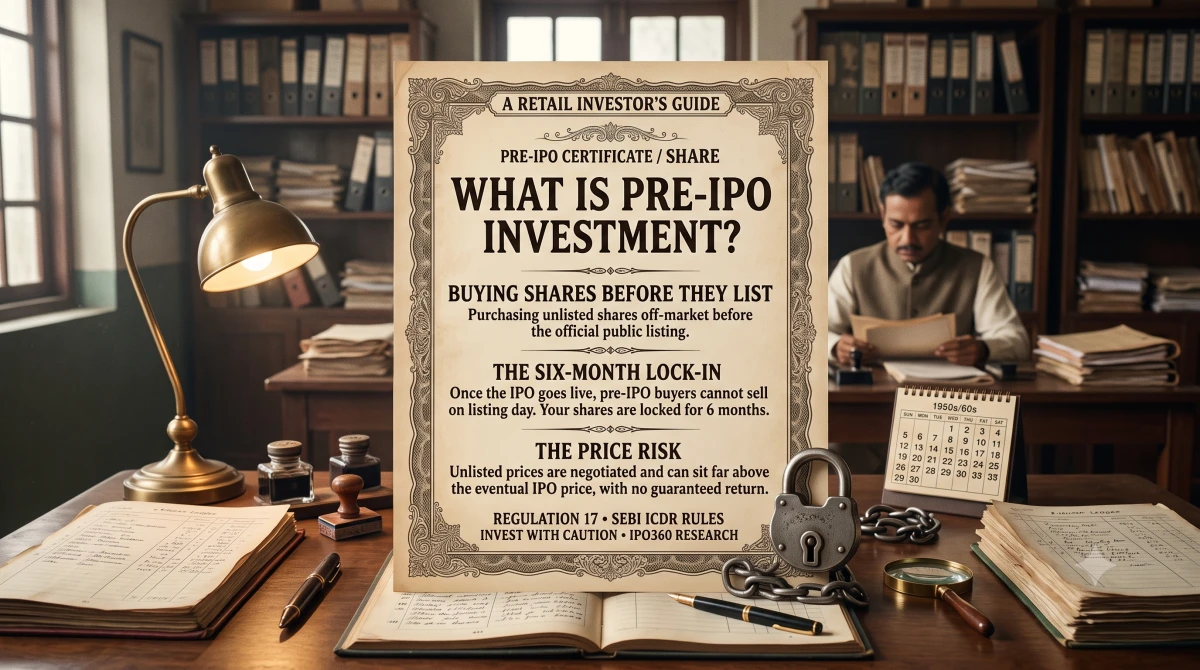
What is Pre-IPO Investment? A Retail Investor's Guide
Pre-IPO investment means buying a company's shares before its IPO, usually off-market. Here is how it works in India, what the lock-in means, and where retail investors lose money.
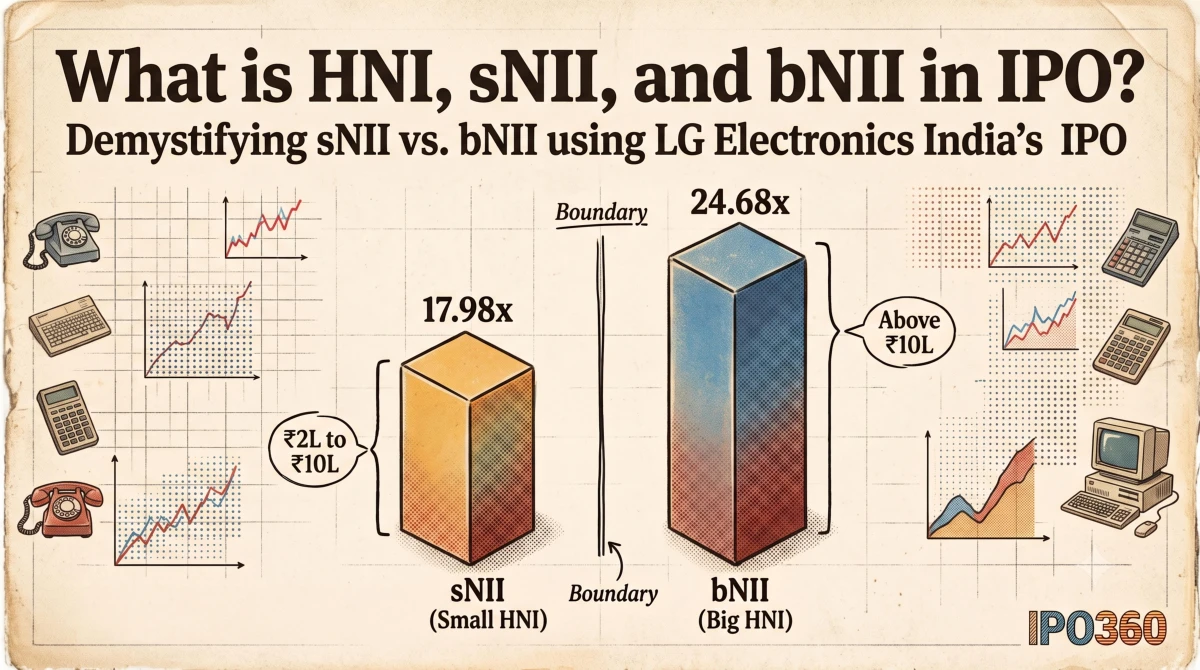
What is HNI, SHNI, and BHNI in IPO?
HNI and NII mean the same thing: any bid above ₹2 lakh, split into sNII and bNII pools. Here is how allotment really works in each pool, using LG Electronics India's IPO, and what borrowing to bid costs.
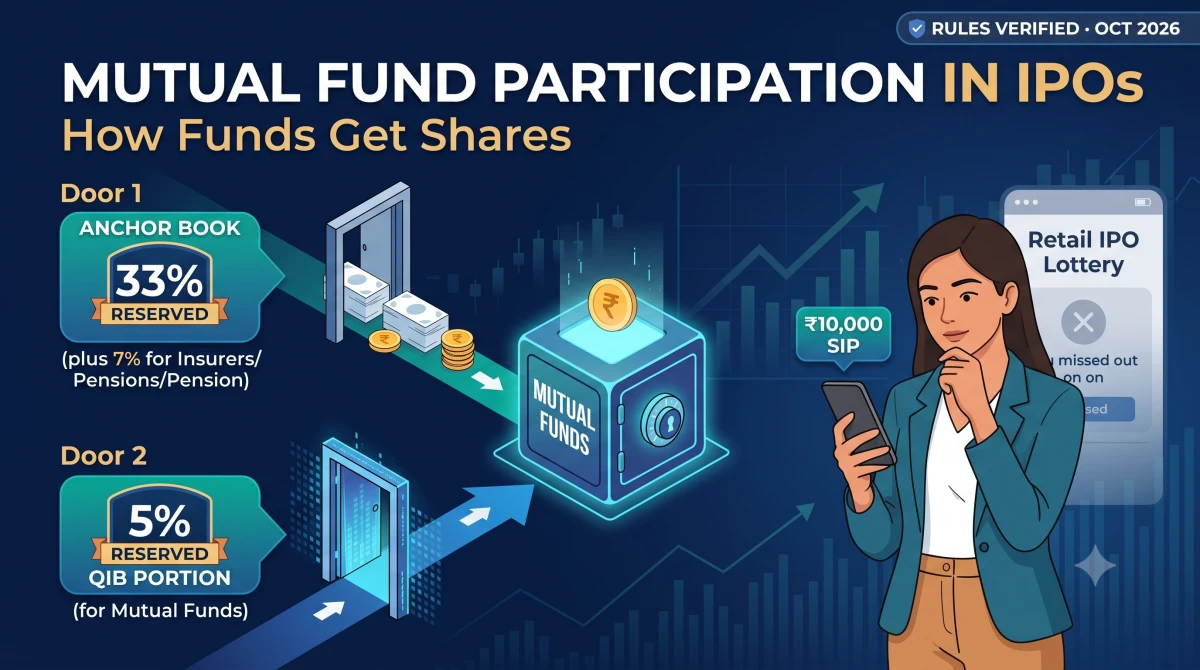
Mutual Fund Participation in IPOs: How Funds Get Shares
Mutual funds get a reserved third of the anchor book and a slice of the QIB quota in every mainboard IPO. Here is how they take part, how much they invest, and how it compares with applying directly.
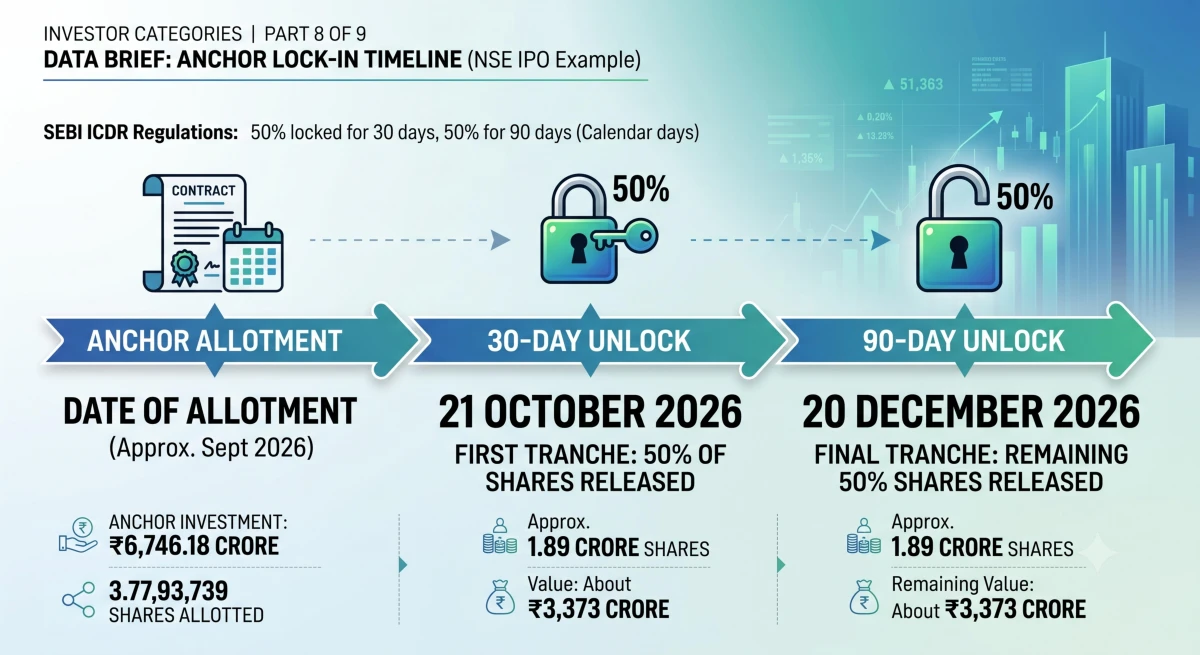
Anchor Investor Lock-in Period: What Happens When It Ends
Anchor investors cannot sell half their IPO shares for 30 days and the rest for 90. Here is how the two-stage lock-in works, what SEBI's data says about price falls on unlock day, and the NSE dates to watch.
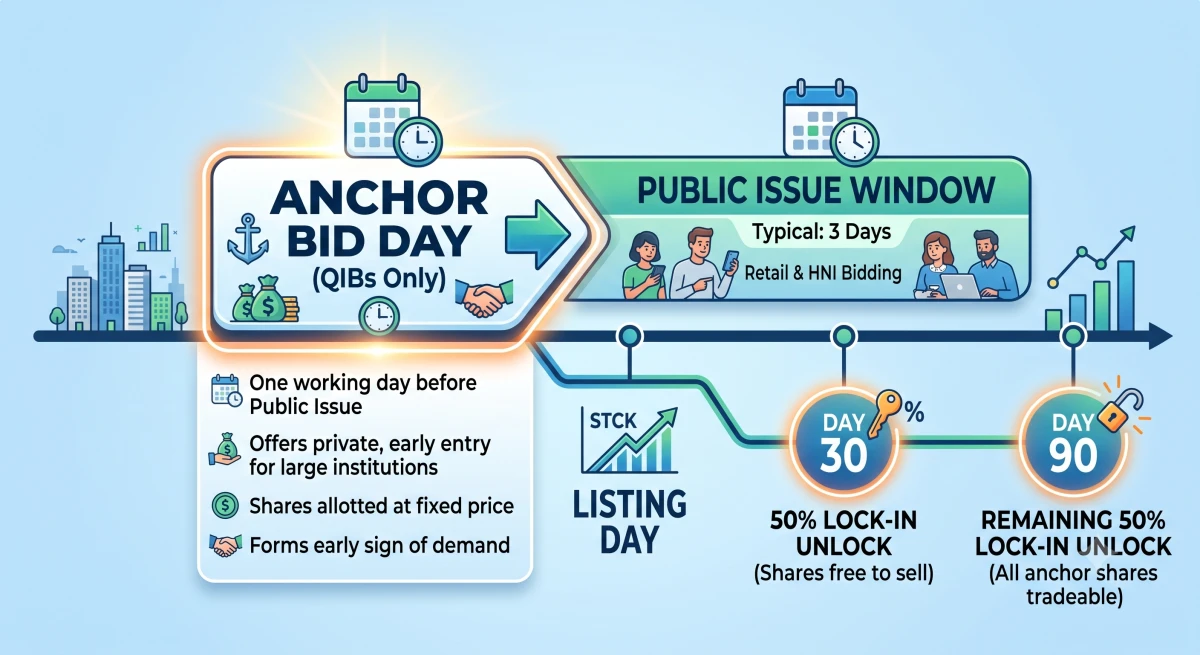
What is an Anchor Investor in IPO? Rules, Lock-in and What the Anchor Book Tells You
Anchor investors are large institutions that buy IPO shares a day before the public issue opens. Learn who qualifies, how SEBI's rules work and what an anchor book can and cannot tell you.
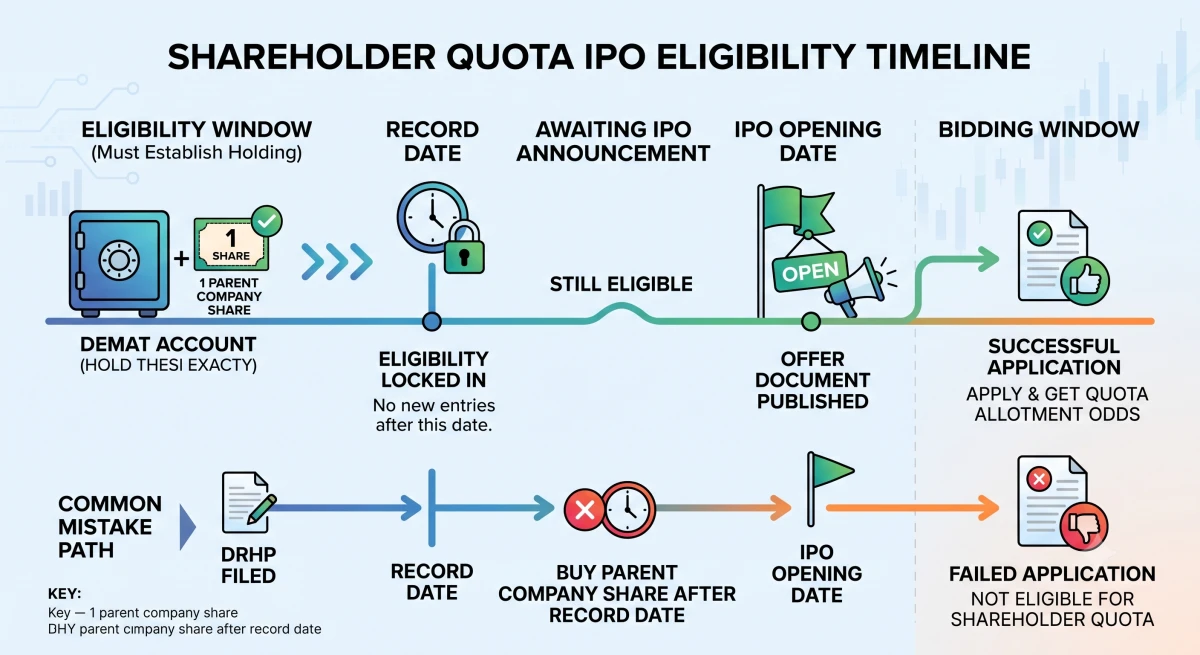
What is Shareholder Quota in IPO?
Shareholder quota reserves part of an IPO for existing shareholders of a listed parent company, based on holding shares before a fixed record date. Here's who qualifies and the mistakes that cost people their eligibility.
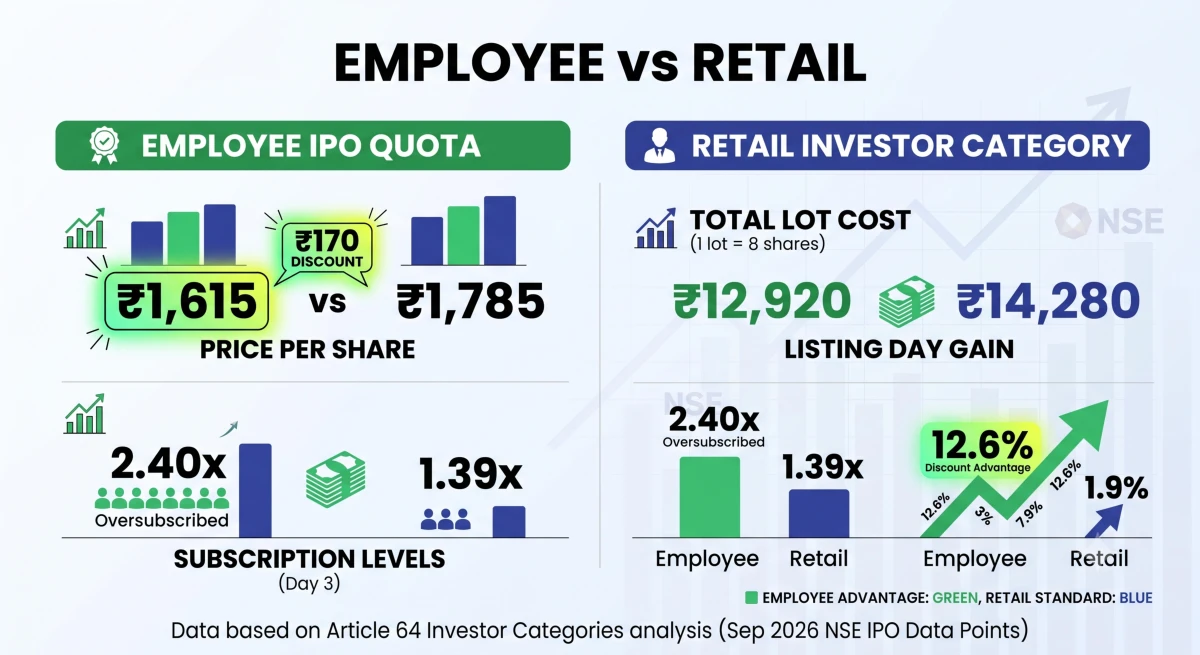
Employee IPO Quota: Who Qualifies, How Much, and at What Discount
Eligible employees get a reserved IPO quota, usually at a discount, with a ₹2 lakh limit that can stretch to ₹5 lakh. Here is who qualifies and when to apply.