Moksh Shah
AuthorFinancial writer and analyst covering IPOs, Grey Market Premiums (GMP), and market insights on IPO360.
Articles by Moksh Shah
Latest market analyses, IPO reviews, and educational guides.
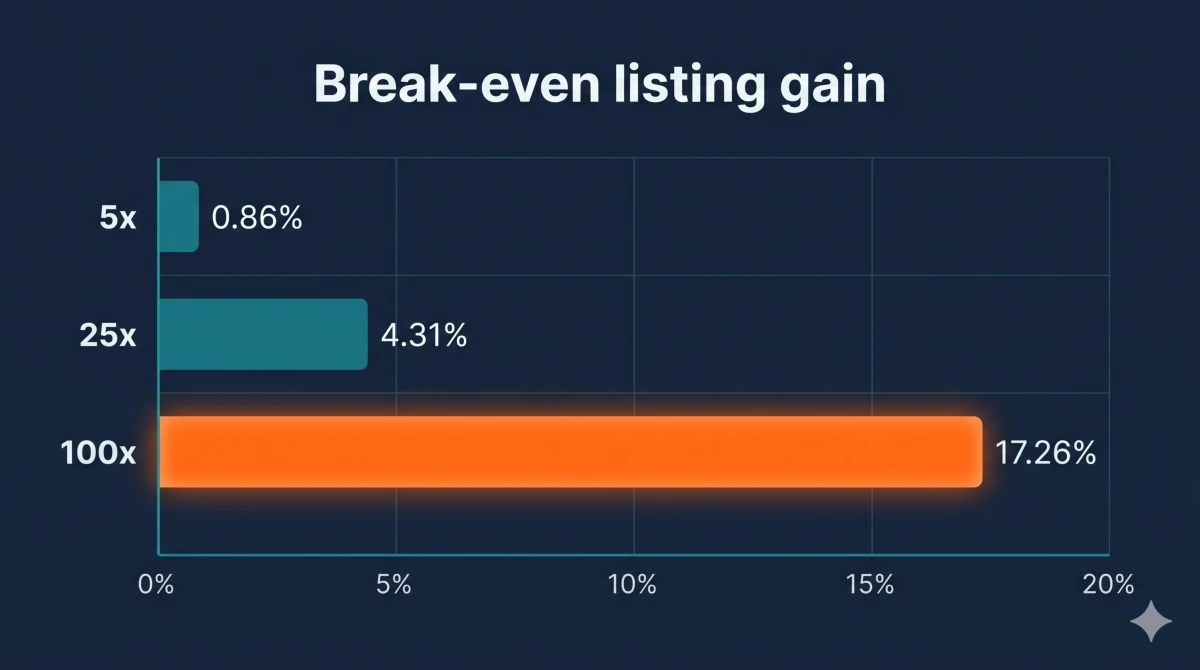
IPO Funding: HNI Loan Options, Limits and Real Costs
IPO funding lets HNIs bid far beyond their own cash using a short-term NBFC or bank loan. Here are the current RBI caps, what the interest really costs, and the listing gain you need just to break even.
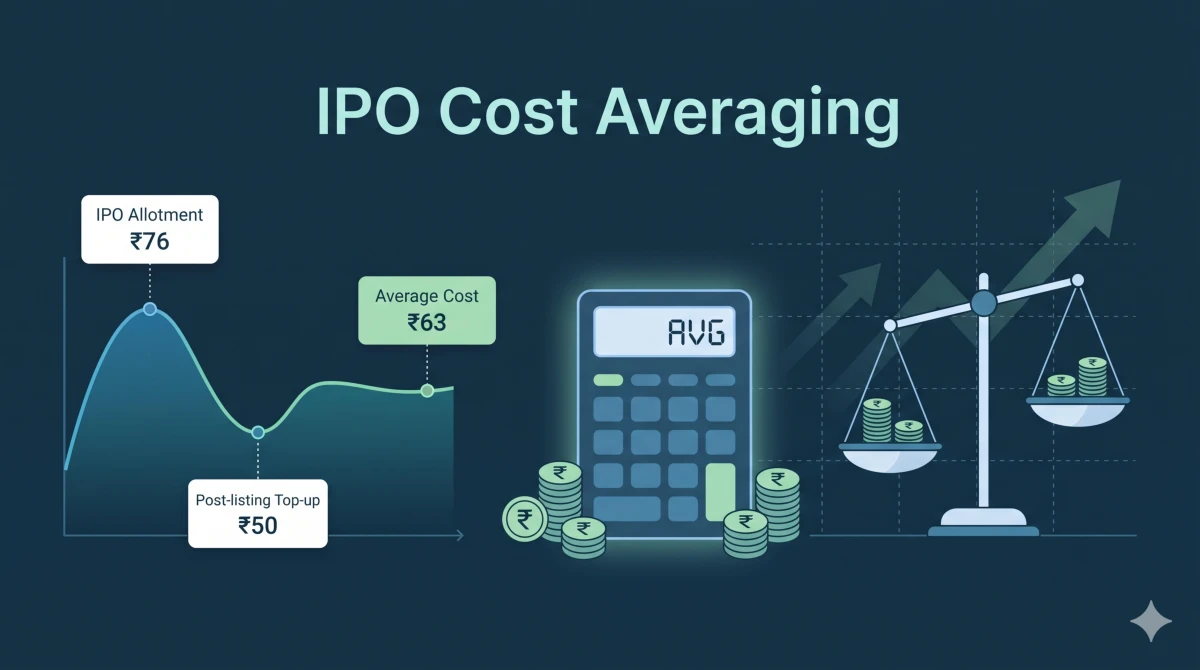
IPO Cost Averaging Strategy: Does It Work for IPO Investors?
An IPO gives you one price, so cost averaging works differently here. This guide explains how to average across IPOs and after listing, where it helps, where it traps you, and how tax treats each lot.
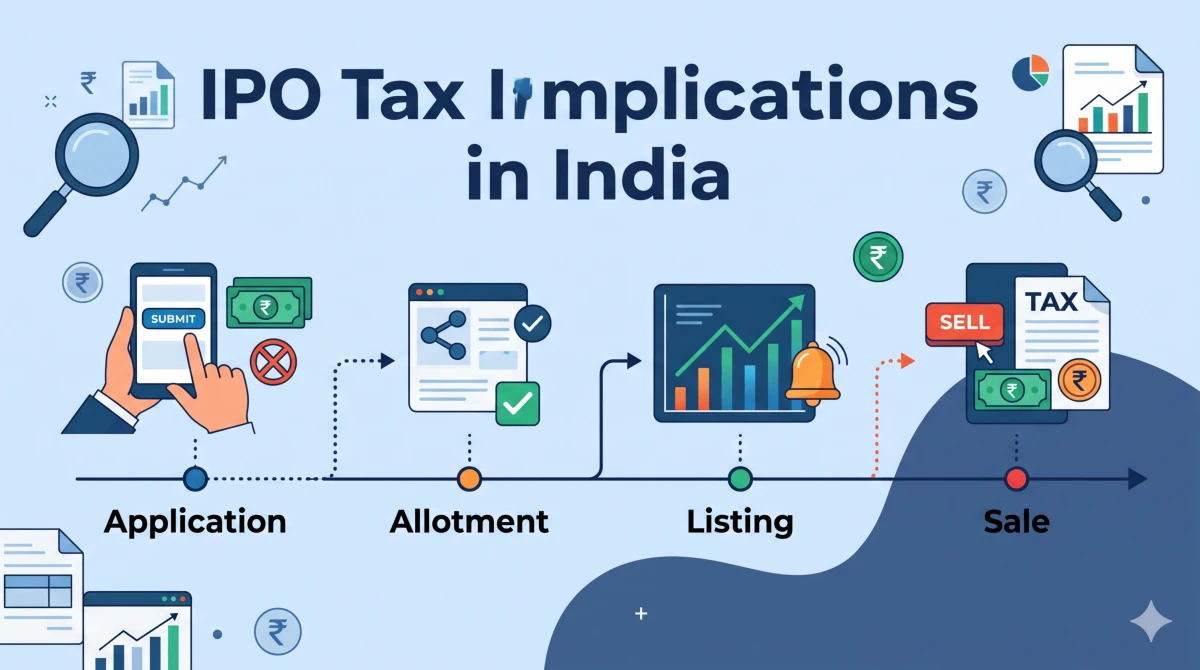
IPO Tax Implications in India: What You Owe and When
Applying for an IPO is not taxable, but selling the shares is. Here is how IPO gains are taxed in India for FY 2026-27, from allotment and holding period to STCG, LTCG and filing your return.
Understanding IPO Risk Factors in RHP: A Reader's Guide
The RHP lists dozens of risks, and most investors skip them. This guide shows how the section is ordered, which risks matter, and how to separate real warnings from boilerplate in about ten minutes.
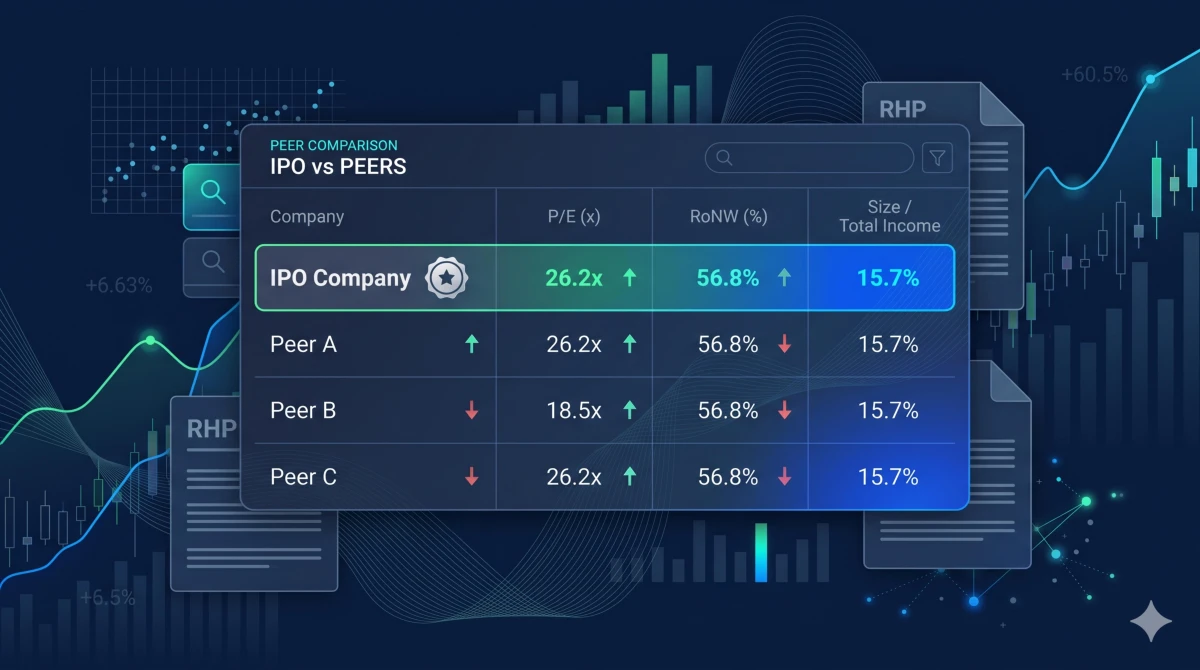
IPO Peer Comparison Analysis: How to Compare an IPO With Its Listed Peers
Every RHP carries a peer table, but the verdict changes with who is in it. Learn to read, test and rebuild an IPO peer comparison, using Hyundai Motor India's RHP as a worked example.
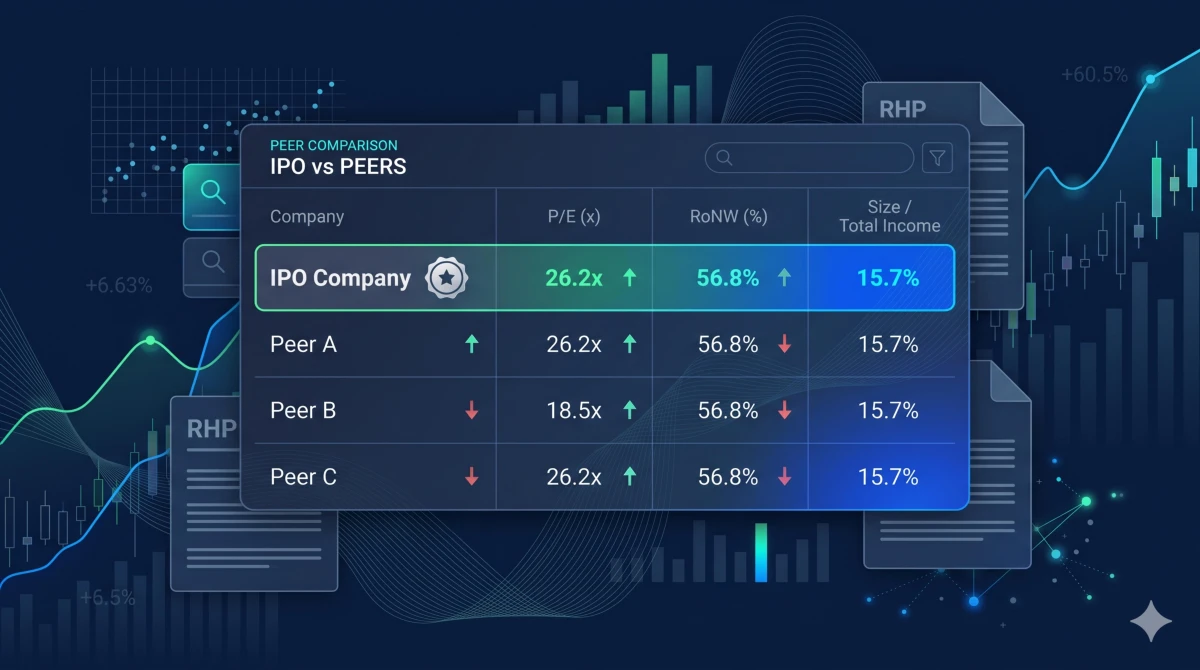
IPO Peer Comparison Analysis: How to Compare an IPO With Its Listed Peers
Every RHP carries a peer table, but the verdict changes with who is in it. Learn to read, test and rebuild an IPO peer comparison, using Hyundai Motor India's RHP as a worked example.
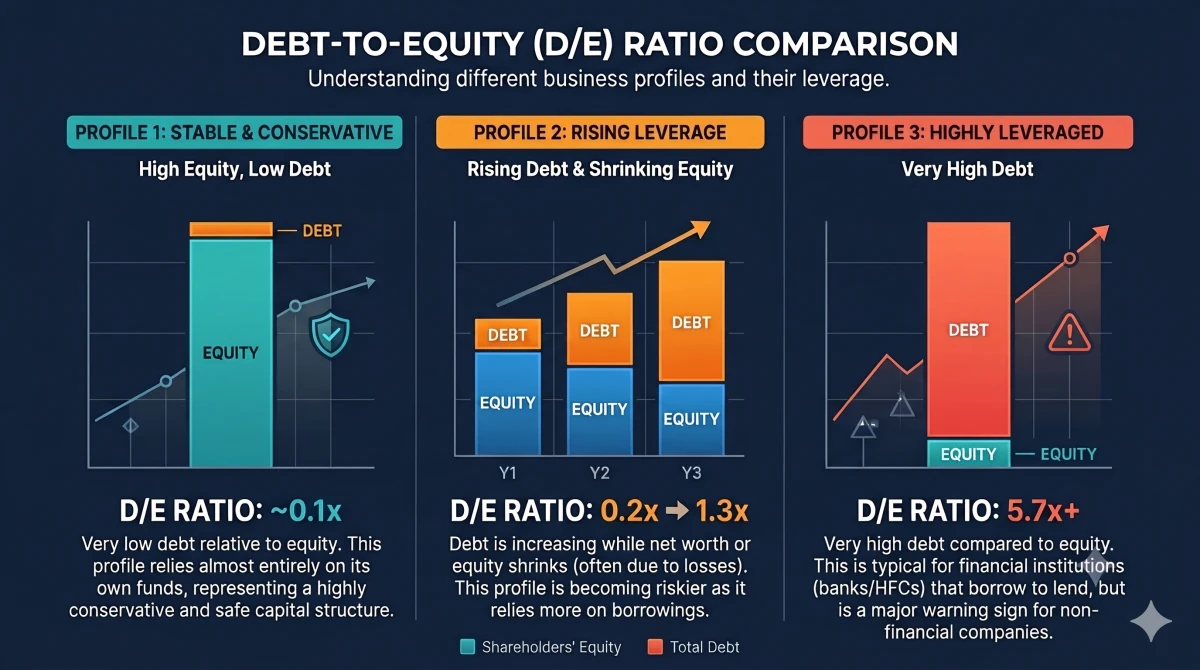
Debt to Equity Ratio in IPO Analysis: How Much Debt Is Too Much?
A debt to equity ratio can make an IPO look safe or risky in seconds, but the number alone misleads. Learn how to calculate it, read it by sector, and check what the IPO proceeds will actually do to it.
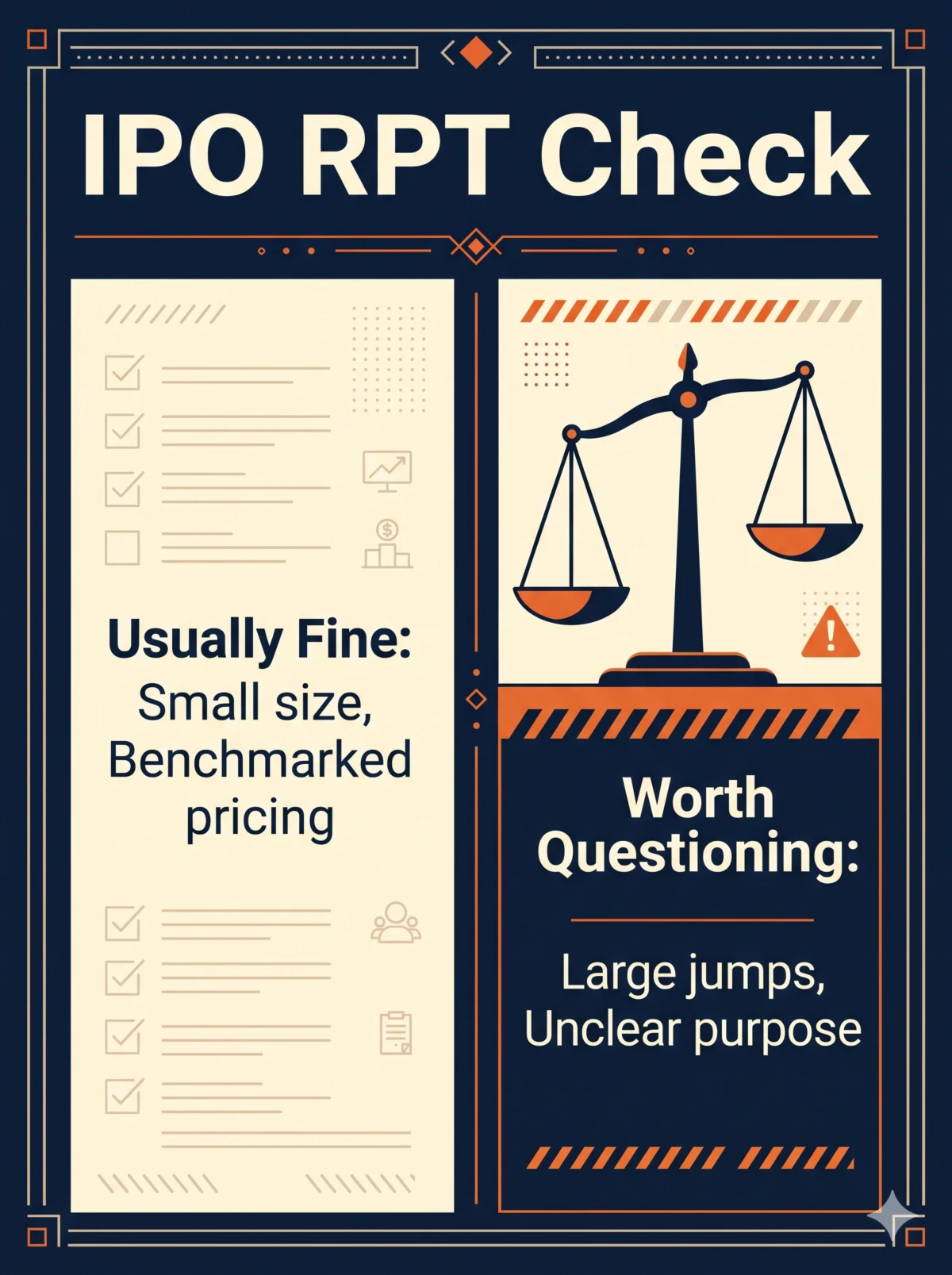
Related Party Transactions in IPO: What to Check Before You Apply
Related party transactions show how much a company deals with its promoters' own businesses. Learn where to find them in the DRHP, which ones are normal, and which should make you think twice before applying.
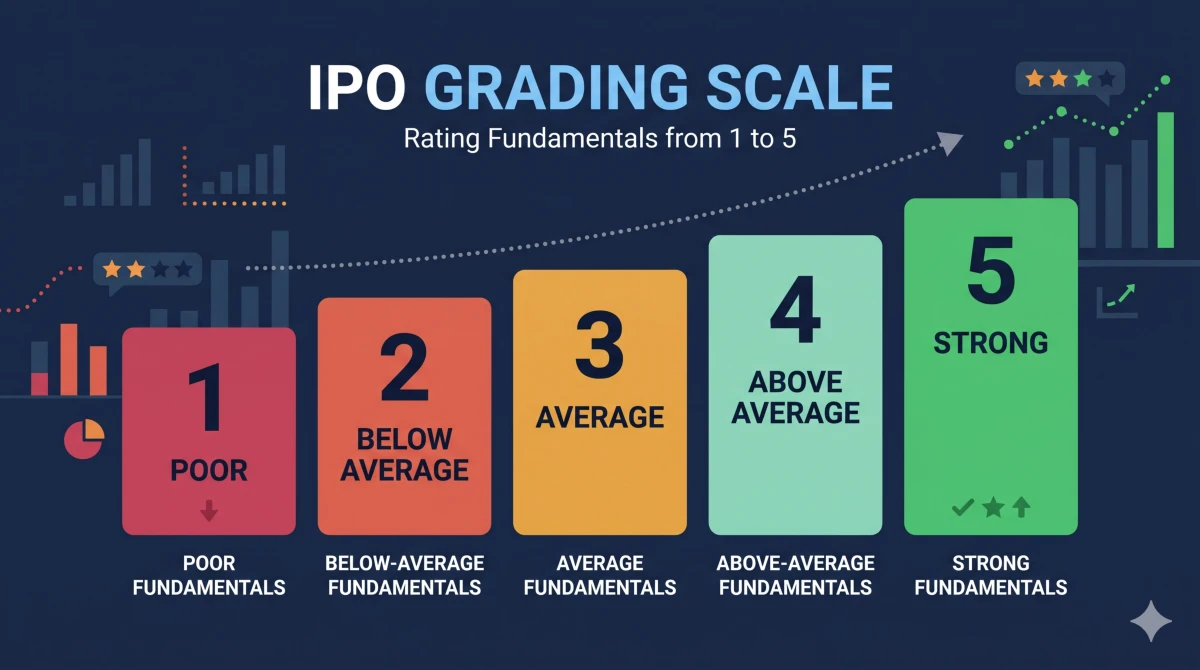
IPO Grade and Rating: What They Mean and Whether They Still Matter
IPO grading once scored every issue from 1 to 5. Here is what the grade measured, why SEBI made it optional, and what investors should use to judge an IPO today.
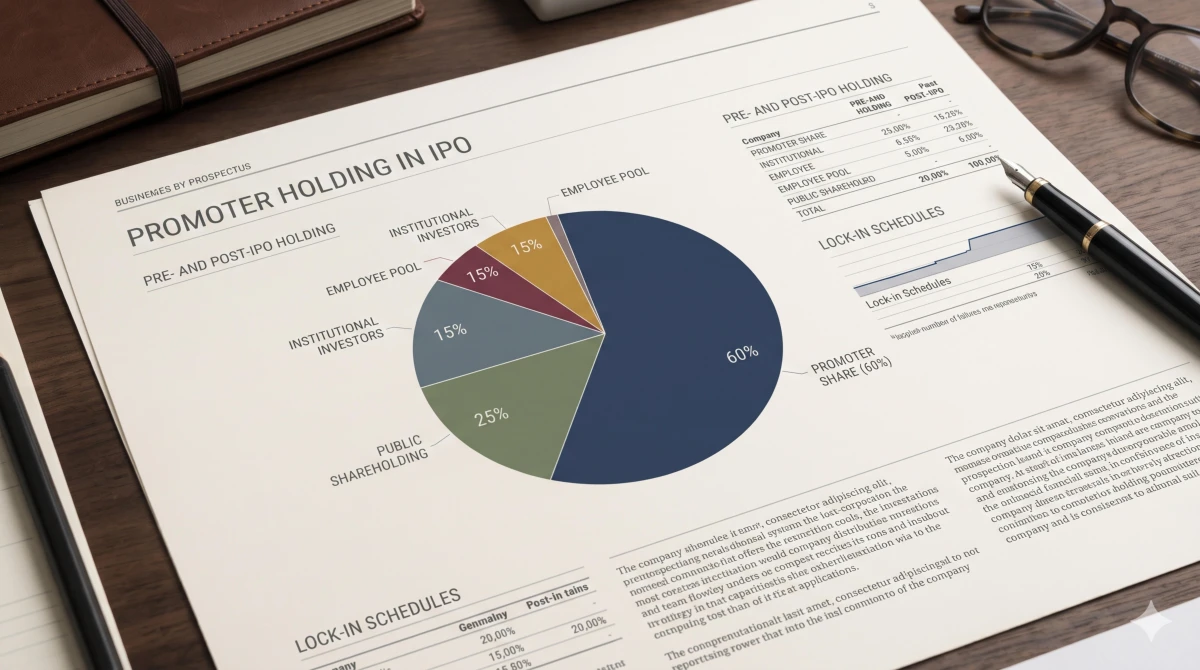
Promoter Holding in IPO: What It Means and How to Read It
Promoter holding shows who controls a company and how much skin they keep in the game. Learn SEBI's 20% rule, lock-in periods, and how to read pre- and post-IPO stake changes before you apply.
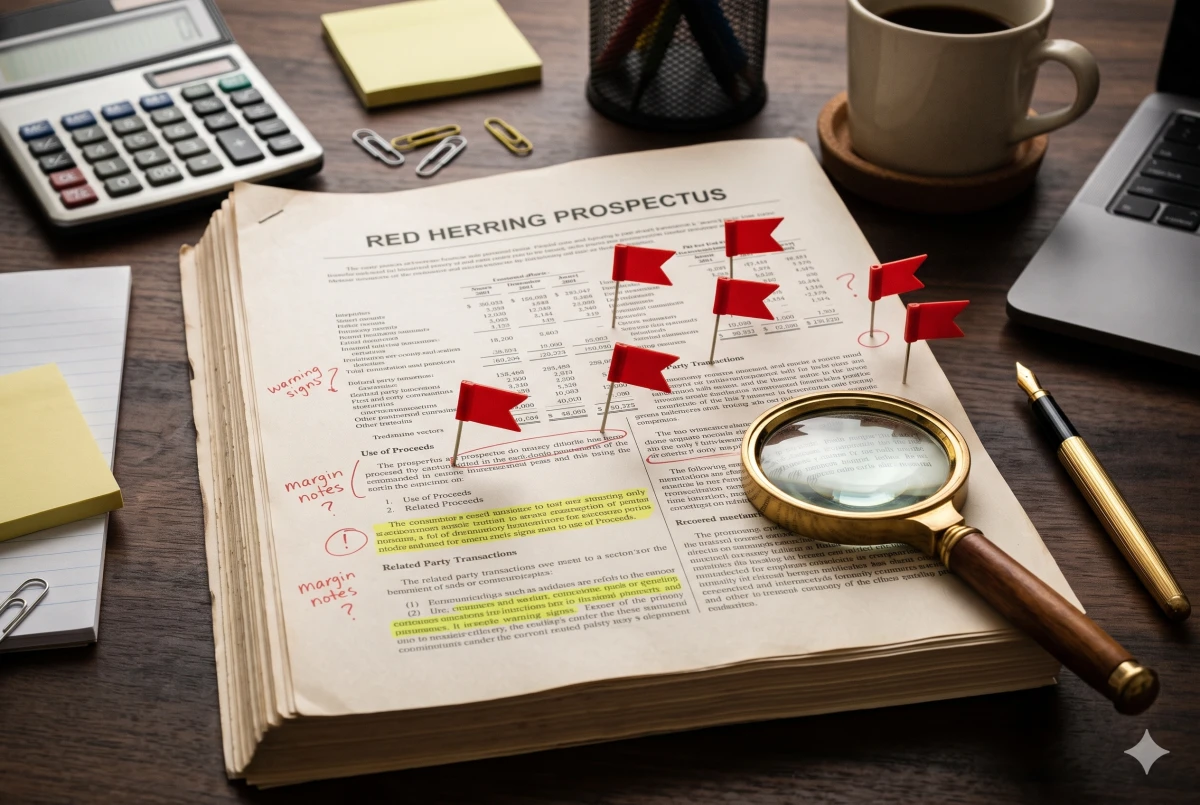
IPO Red Flags: 10 Warning Signs Before You Apply
Ten warning signs in an IPO's RHP, from OFS-heavy issues to cash-flow gaps, explained with real Indian examples like Paytm and Ola Electric, plus a quick scoring method to decide whether to apply.
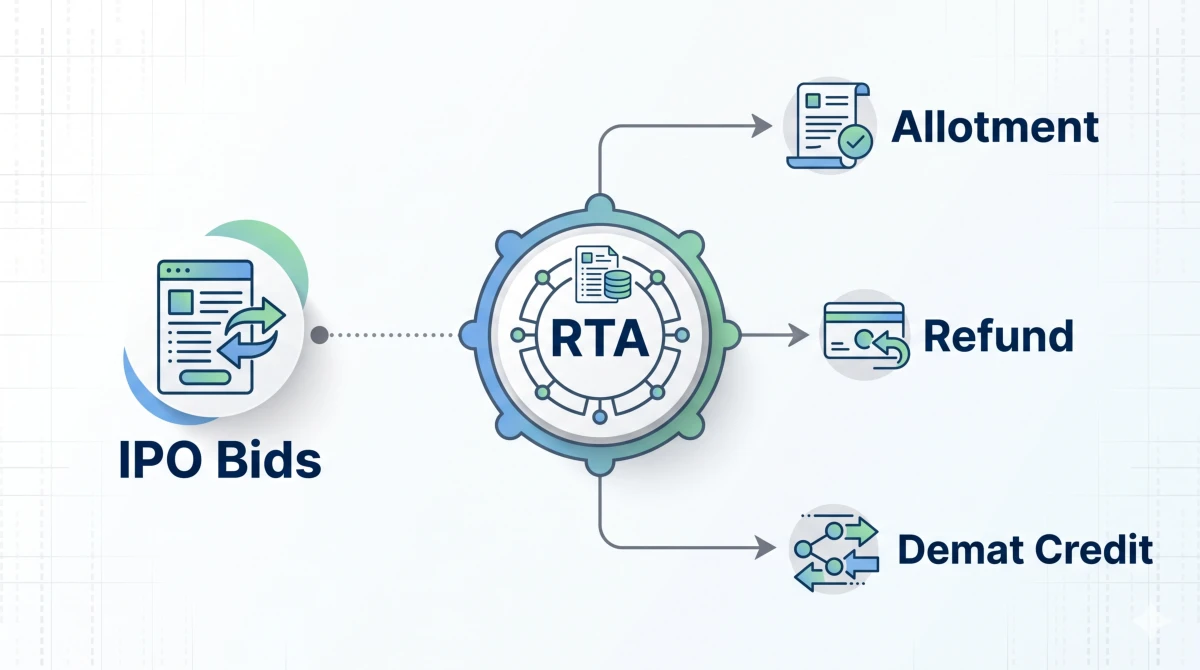
Who Are RTAs? Registrars to an IPO Explained
Your broker places the bid, but a SEBI-registered RTA runs allotment, refunds and share credit. This guide explains what registrars do, who the main ones are and how to find the registrar for any IPO.