
IPO Basics
Aug 30, 2026
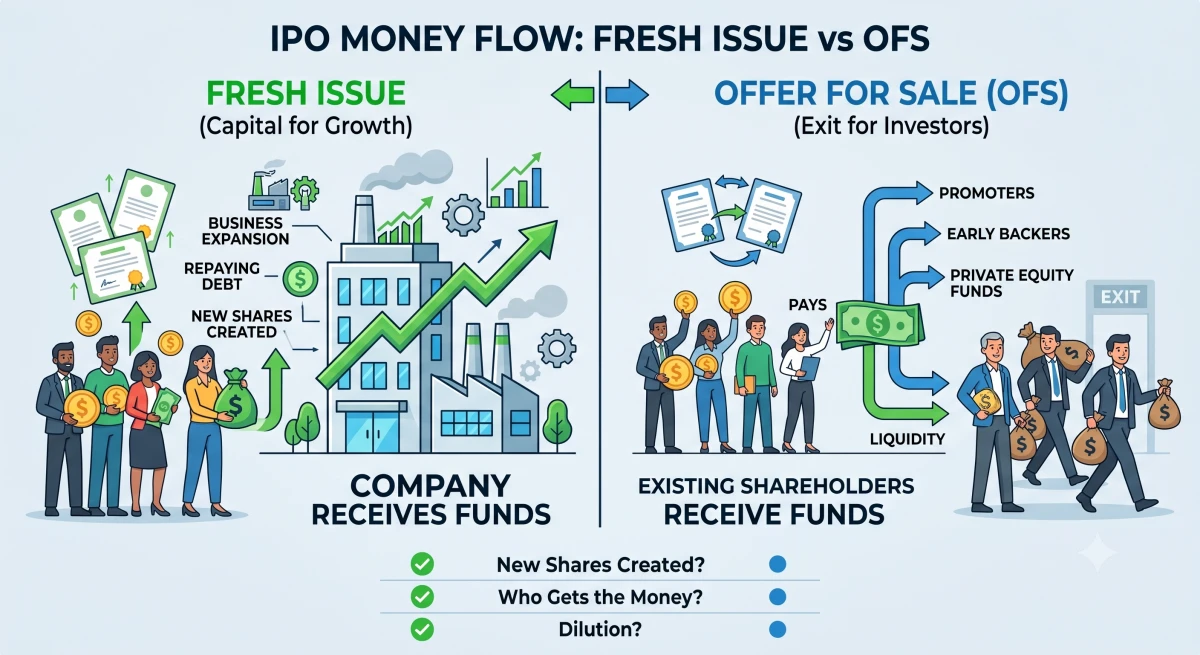
OFS vs Fresh Issue in IPO: Where Does Your Money Actually Go?
In an IPO, your money either funds the company or goes into an early investor's pocket. That single distinction — fresh issue vs offer for sale — tells you more about an IPO than almost any other detail
M
Moksh Shah
IPO Basics
Aug 27, 2026
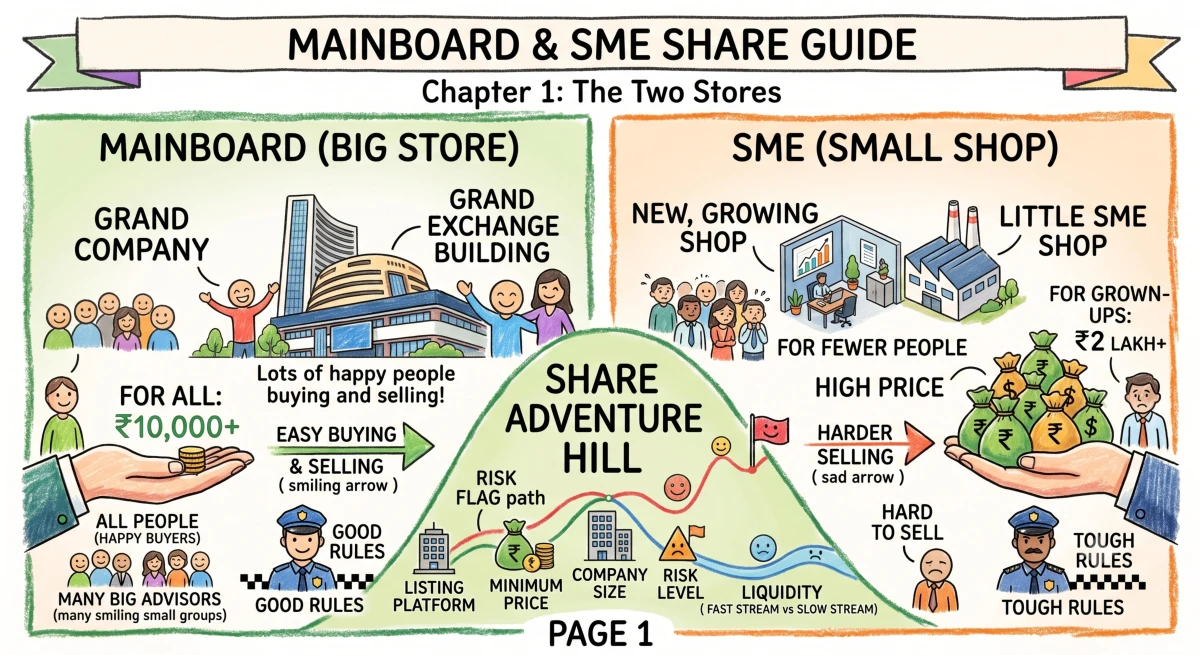
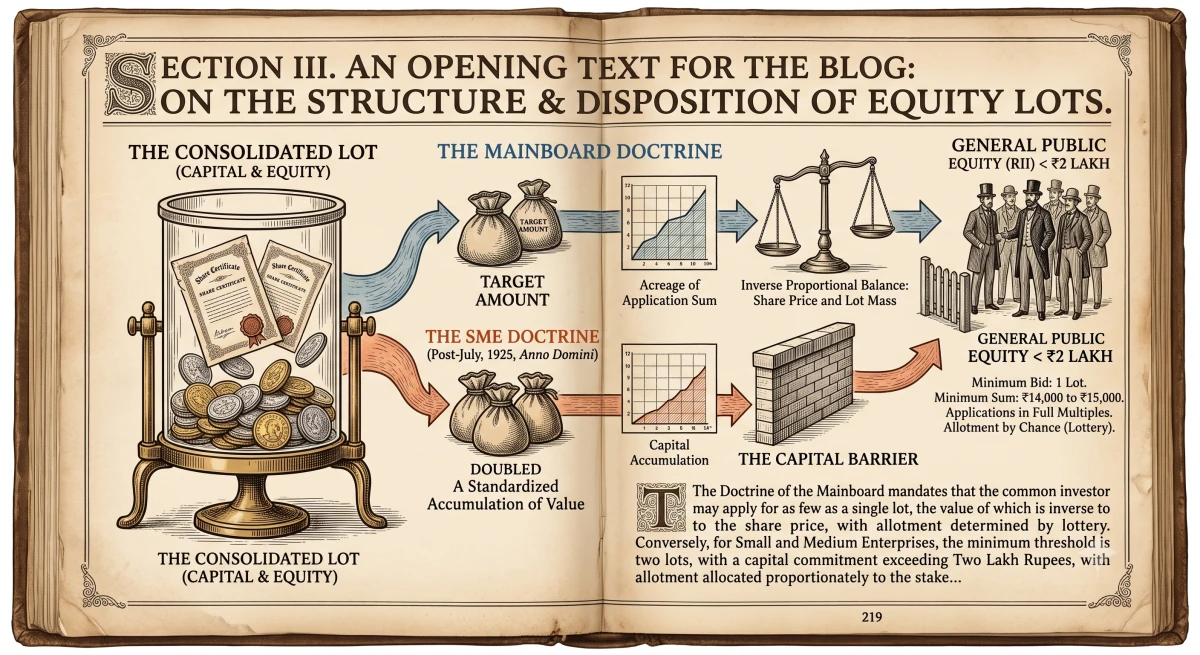
IPO Lot Size Explained: Minimum Investment, Multiples & Rules
IPO lot size decides the minimum shares and money you need to apply. Learn how lot size is set, why it varies between mainboard and SME IPOs, and the exact application amounts under current SEBI rules.
M
Moksh Shah
IPO Basics
Aug 23, 2026
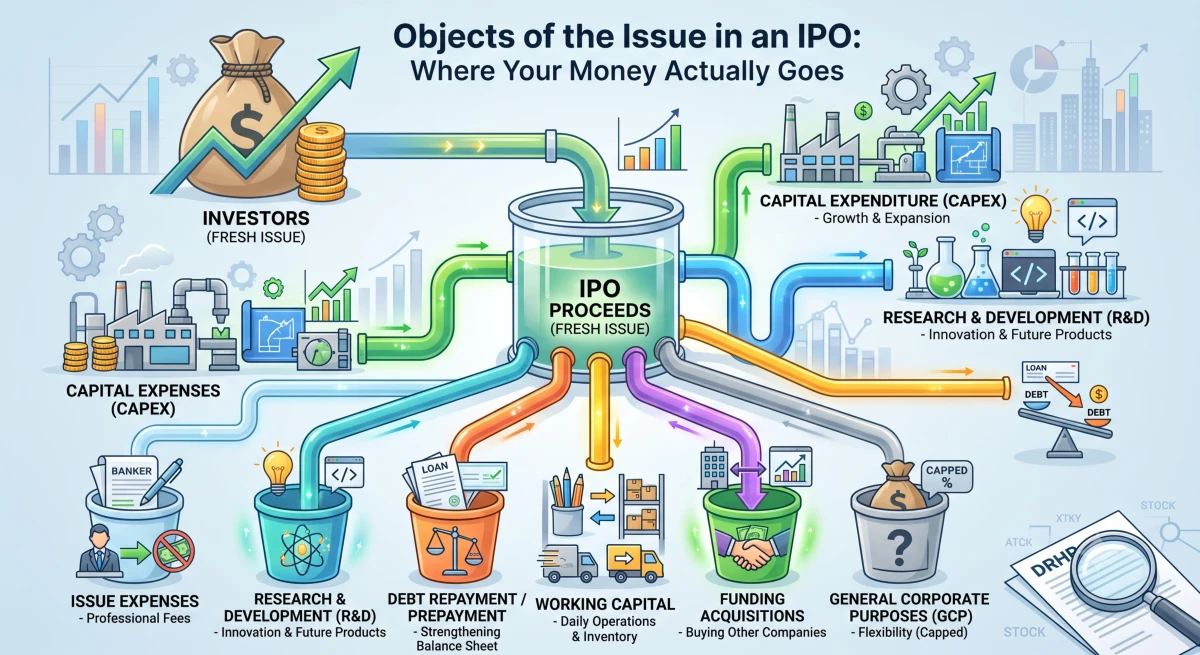
Objects of the Issue in an IPO: Where Your Money Actually Goes
"Objects of the Issue" is the section of an IPO prospectus that tells you exactly how the company plans to spend the money it raises. Learning to read it separates growth-focused IPOs from ones that simply cash out early investors.
M
Moksh Shah
IPO Basics
Aug 19, 2026
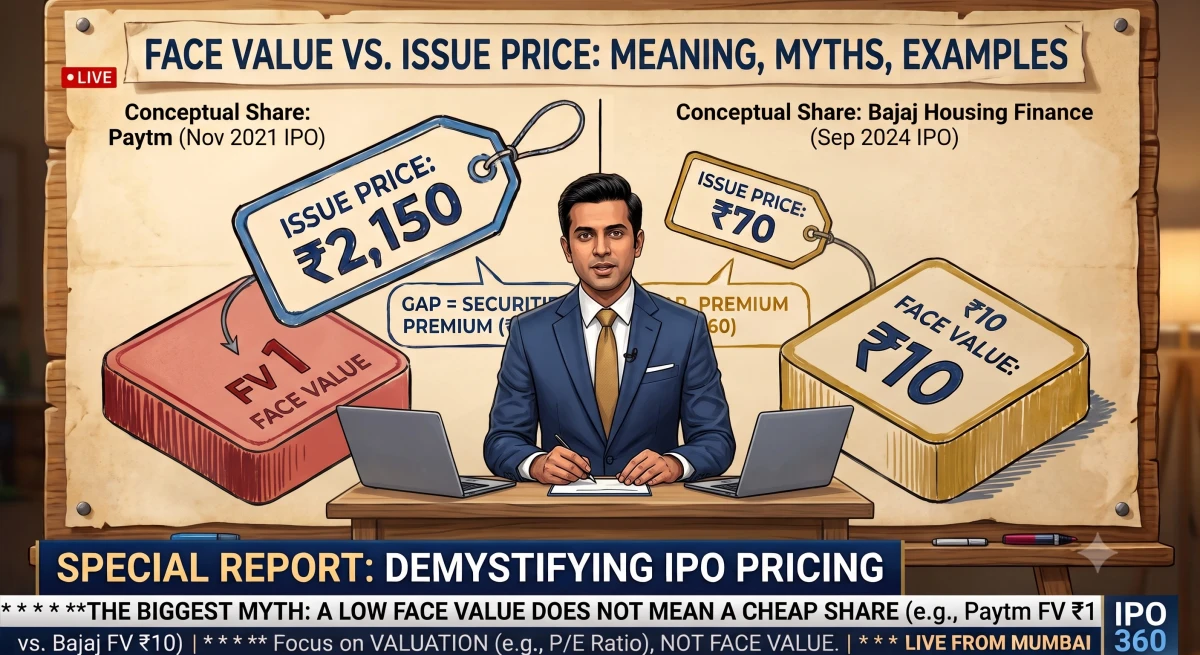
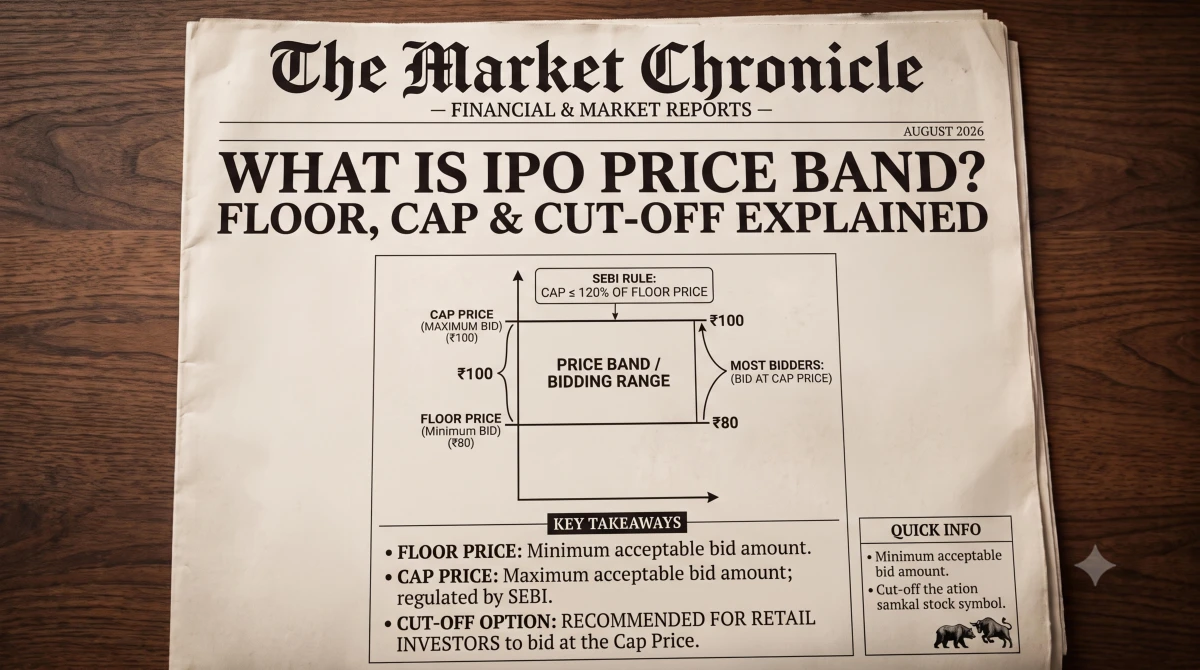
What is IPO Price Band? Floor, Cap & Cut-Off Explained
The IPO price band is the fixed range — a floor and a cap — within which you bid in a book-built IPO. This guide explains how the band is decided, what cut-off means, why the cap can't exceed 120% of the floor, and how real IPOs like Bajaj Housing Finance set theirs.
M
Moksh Shah
IPO Basics
Aug 16, 2026
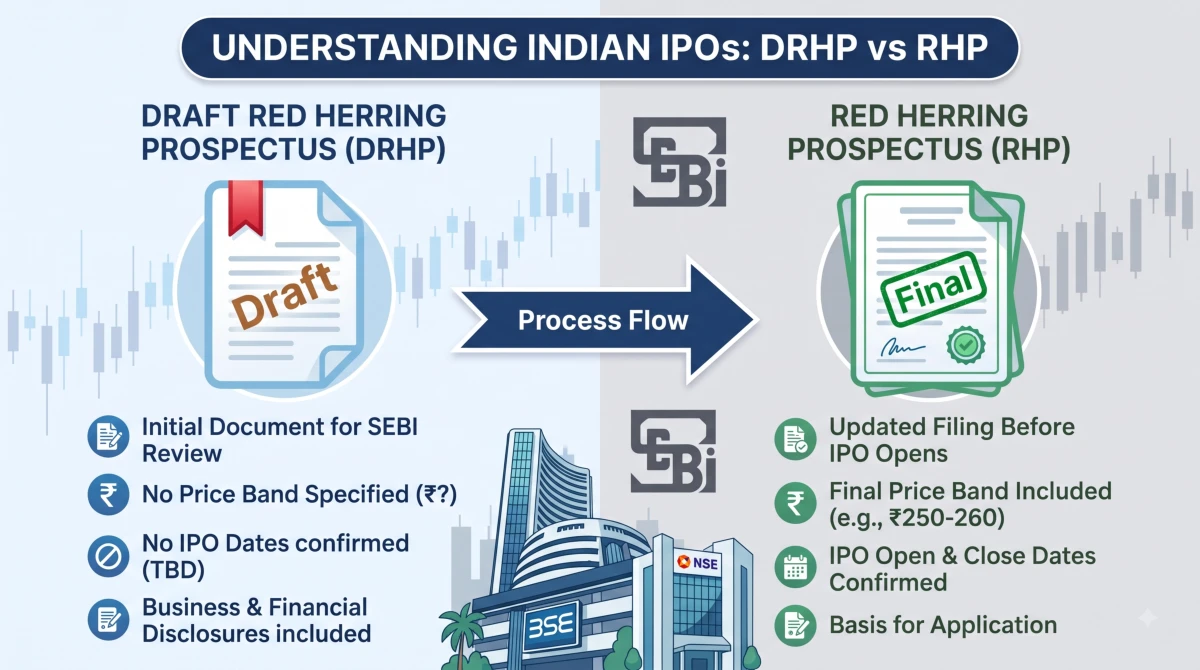
DRHP and RHP Explained: Key Differences for IPO Investors
A Draft Red Herring Prospectus (DRHP) and Red Herring Prospectus (RHP) are the two core documents every Indian IPO must file with SEBI. This guide explains what each contains, how they differ, and which sections investors should actually read before applying.
M
Moksh Shah
IPO Basics
Aug 16, 2026
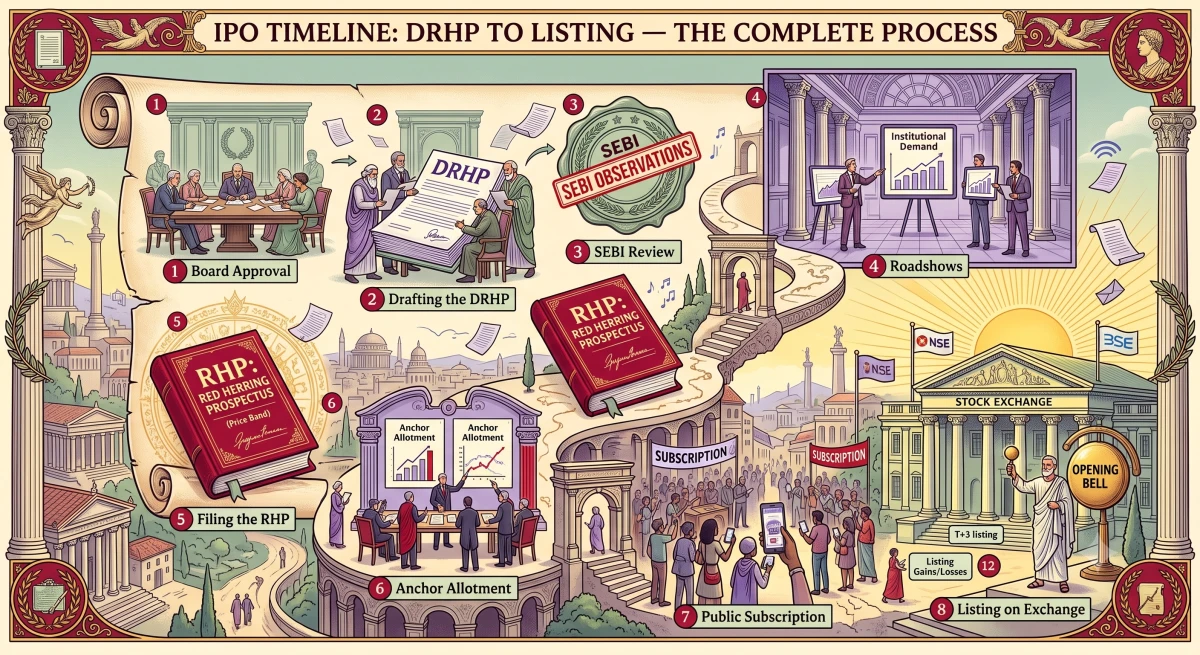
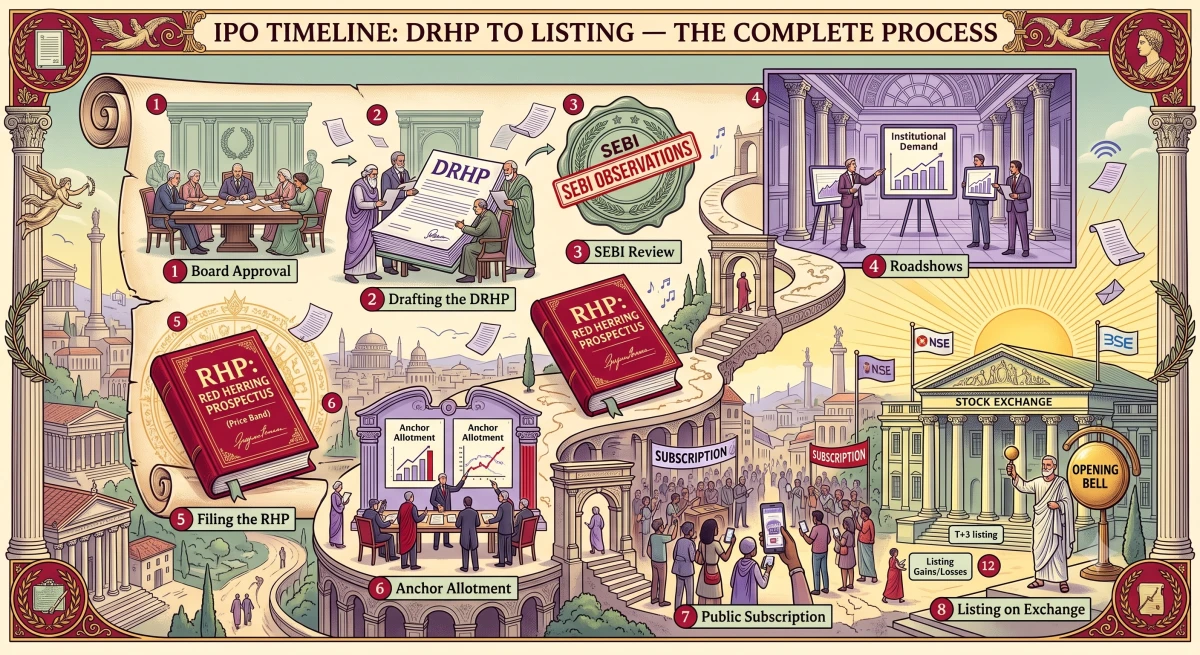
IPO Timeline: From DRHP to Listing — The Complete Process
An IPO passes through a long, structured journey before shares hit the exchange, from the DRHP filing to the T+3 listing day. This guide maps every stage in order, explains SEBI's role at each step, and how long the process really takes.
M
Moksh Shah
IPO Basics
Aug 14, 2026
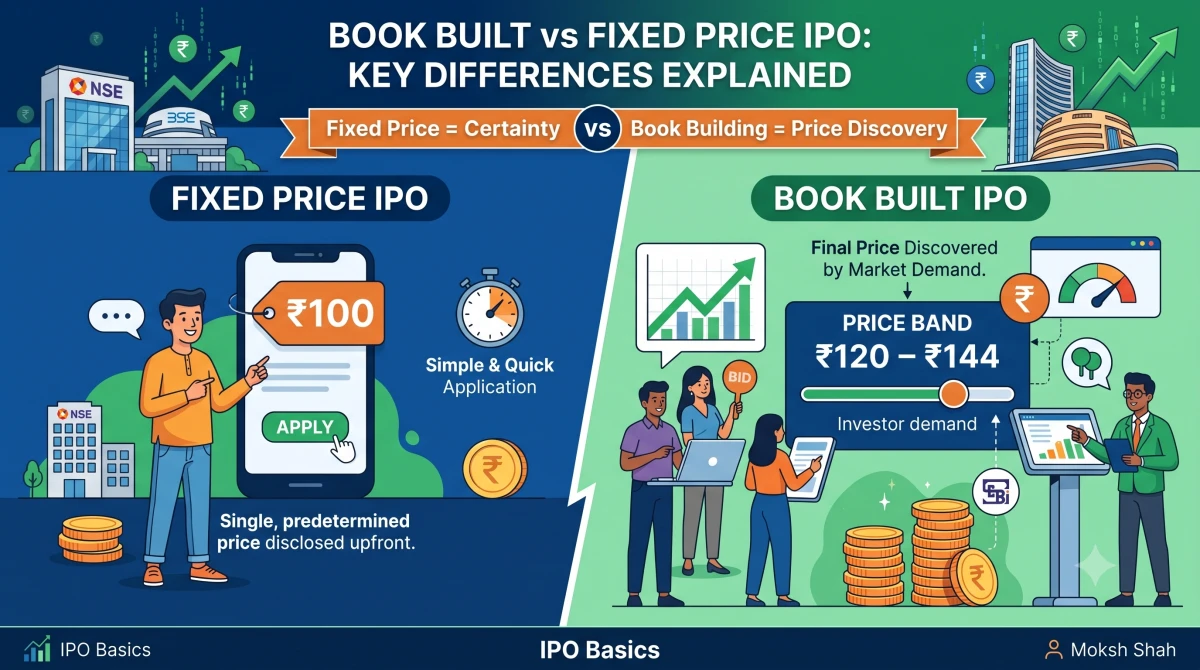
Book Built vs Fixed Price IPO: Key Differences Explained
Every Indian IPO is priced one of two ways, and the method decides how you bid and what you pay. This guide explains book building and fixed price issues in plain terms, with real examples and the SEBI rules behind each.
M
Moksh Shah
IPO Basics
Aug 14, 2026
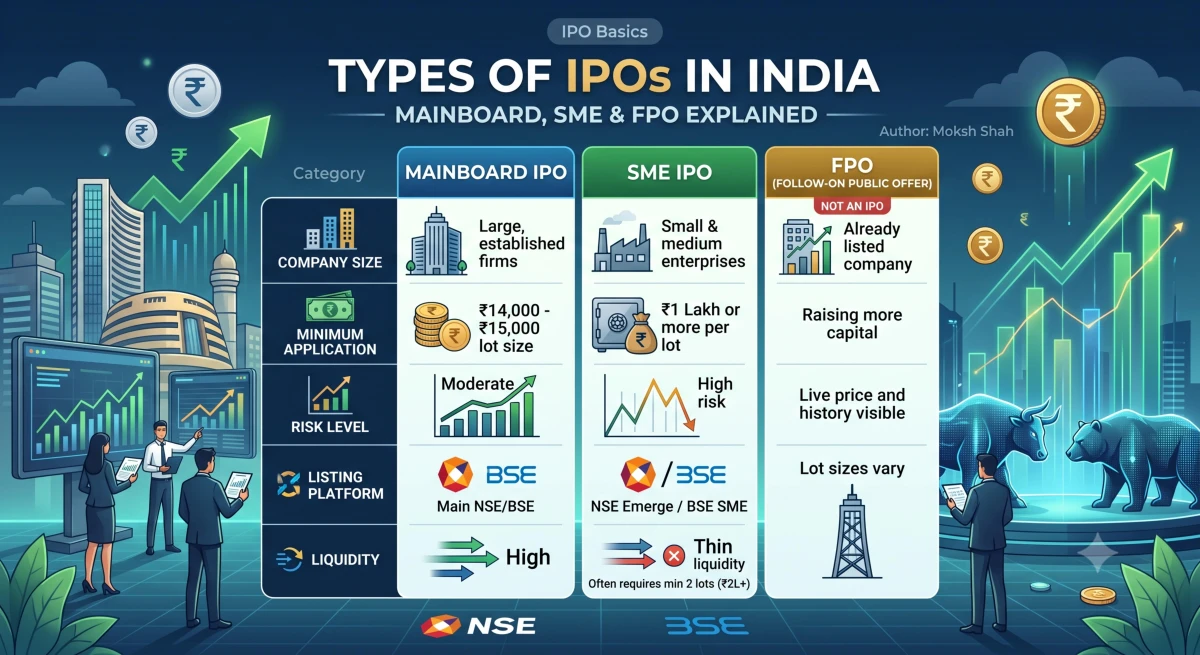
Types of IPOs in India: Mainboard, SME & FPO Explained
Not every public offering works the same way. This guide breaks down the three main types of IPOs in India, namely Mainboard, SME, and FPO, covering eligibility, ticket sizes, risk levels, and which one suits which kind of investor.
M
Moksh Shah
IPO Basics
Aug 13, 2026
Why Do Companies Launch IPOs? The Real Reasons Explained
Companies go public to raise growth capital, repay debt, let early investors exit via OFS, and boost their brand. This guide explains why companies launch IPOs in India — and how to tell whether the money fuels real growth or just cashes out promoters.
M
Moksh Shah